Essentials of Male Reproductive Wellness
Understanding the essentials of male reproductive wellness is crucial for maintaining overall health and quality of life. The male reproductive system plays a vital role not only in fertility but also in hormone production and sexual function. Taking care of this system requires knowledge, attention, and proactive habits. In this post, I will share practical insights and actionable tips to help you support and protect your reproductive health.
The Importance of Male Reproductive Wellness
Male reproductive wellness goes beyond just the ability to father children. It encompasses the health of organs such as the testes, prostate, and penis, as well as the hormonal balance that influences mood, energy, and physical well-being. When these components function well, men experience better vitality and confidence.
Maintaining reproductive wellness involves regular check-ups, a healthy lifestyle, and awareness of potential issues. For example, conditions like erectile dysfunction or prostate enlargement can signal underlying health problems. Early detection and management are key to preventing complications.
Key factors to support reproductive wellness include:
Balanced diet rich in vitamins and minerals
Regular physical activity
Avoiding smoking and excessive alcohol
Managing stress effectively
Routine medical screenings
These steps help preserve function and reduce the risk of infections or chronic diseases.
How Lifestyle Affects Male Reproductive Wellness
Lifestyle choices have a direct impact on reproductive health. Poor habits can lead to hormonal imbalances, reduced sperm quality, and sexual dysfunction. Conversely, positive changes can improve outcomes significantly.
Nutrition plays a foundational role. Foods high in antioxidants, zinc, and omega-3 fatty acids support sperm production and hormone regulation. Examples include:
Leafy greens like spinach and kale
Nuts such as walnuts and almonds
Fatty fish like salmon and mackerel
Fruits rich in vitamin C, such as oranges and strawberries
Exercise is another pillar. Regular moderate activity improves blood flow, hormone levels, and stress management. Aim for at least 150 minutes of aerobic exercise weekly, combined with strength training.
Avoiding harmful substances is critical. Smoking damages sperm DNA and reduces testosterone. Excessive alcohol intake disrupts hormone balance and can cause erectile issues. Limiting or quitting these habits benefits reproductive wellness.
Stress management cannot be overlooked. Chronic stress elevates cortisol, which negatively affects testosterone and sperm production. Techniques like meditation, deep breathing, and adequate sleep help maintain hormonal harmony.
Which nut carries sperm?
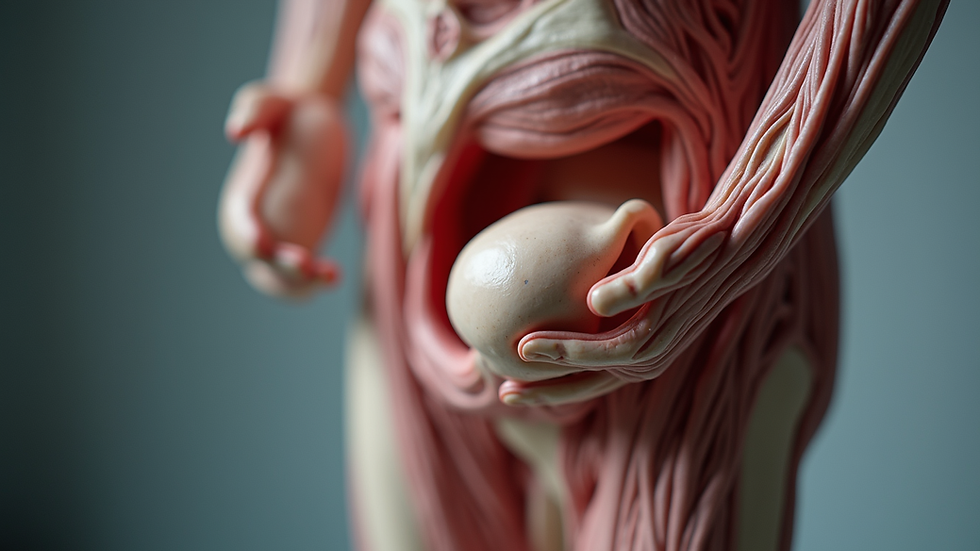
This question often arises from misconceptions about male anatomy. To clarify, no nut carries sperm. The term "nut" is sometimes colloquially used to refer to the testicles, which are the organs responsible for producing sperm and testosterone.
The testicles, located in the scrotum, produce sperm cells that travel through a series of ducts before ejaculation. The epididymis stores and matures sperm, while the vas deferens transports them during ejaculation.
Understanding this anatomy helps dispel myths and encourages men to pay attention to testicular health. Regular self-exams can detect lumps or abnormalities early, which is vital for preventing serious conditions like testicular cancer.
Common Conditions Affecting Male Reproductive Wellness
Several health issues can impact male reproductive wellness. Awareness of symptoms and risk factors enables timely intervention.
Erectile Dysfunction (ED): Difficulty achieving or maintaining an erection. Causes include vascular problems, diabetes, stress, and medication side effects.
Prostatitis: Inflammation of the prostate gland causing pain, urinary issues, and sometimes sexual dysfunction.
Benign Prostatic Hyperplasia (BPH): Non-cancerous enlargement of the prostate, common with aging, leading to urinary difficulties.
Testicular Cancer: Though rare, it primarily affects younger men. Early detection through self-exams is crucial.
Low Testosterone (Hypogonadism): Leads to fatigue, reduced libido, and mood changes.
Managing these conditions often requires medical evaluation, lifestyle adjustments, and sometimes medication or therapy. Open communication with healthcare providers ensures the best outcomes.
Practical Tips to Maintain Male Reproductive Wellness
Taking proactive steps daily can make a significant difference in reproductive health. Here are practical recommendations:
Perform monthly testicular self-exams. Check for lumps, swelling, or changes in size.
Schedule annual urological check-ups. Early detection of prostate or other issues is vital.
Eat a balanced diet. Include foods rich in antioxidants, vitamins, and minerals.
Exercise regularly. Aim for a mix of cardio and strength training.
Limit alcohol and avoid tobacco. Both negatively affect sperm quality and hormone levels.
Manage stress. Practice relaxation techniques and ensure adequate sleep.
Stay hydrated. Proper hydration supports overall bodily functions.
Practice safe sex. Use protection to prevent sexually transmitted infections that can harm reproductive organs.
By integrating these habits, men can support their reproductive system and overall health effectively.
Looking Ahead: Sustaining Reproductive Wellness Over Time
Reproductive wellness is a lifelong commitment. As men age, changes in hormone levels and organ function are natural. However, maintaining healthy habits can slow decline and improve quality of life.
Regular monitoring and open dialogue with healthcare professionals help address concerns early. Advances in urology and reproductive medicine continue to offer new options for managing conditions and enhancing wellness.
Remember, male reproductive health is a vital part of overall well-being. Staying informed and proactive empowers men to take control of their health journey.
For more detailed information and resources, visit UrologyXY.
By focusing on these essentials, men can protect their reproductive wellness and enjoy a healthier, more fulfilling life.


Comments